Reviewing Alphabet C for Personalized Gifts
As an embroidery designer who has spent years testing digital files for a bustling personalized gift shop, I approach every new machine embroidery design with a critical eye. It is not just about how the file looks on the screen; it is about how it performs under the needle when a customer's precious item is on the line. Recently, I pulled the Alphabet C design from our "Back To School" collection to see if it holds up for real-world applications beyond just classroom projects. My goal was simple: determine if this versatile letter is ready for high-stakes custom orders like baby blankets, wedding keepsakes, and boutique home decor.
First Impressions: Charm and Versatility
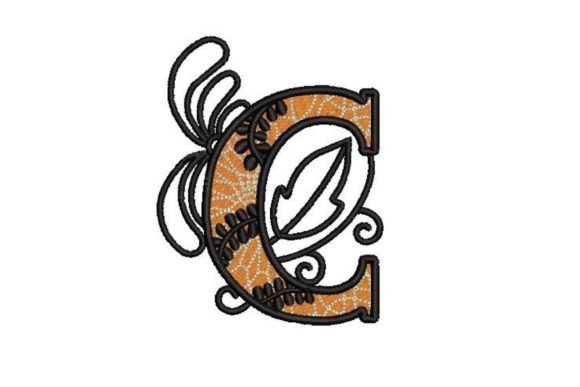
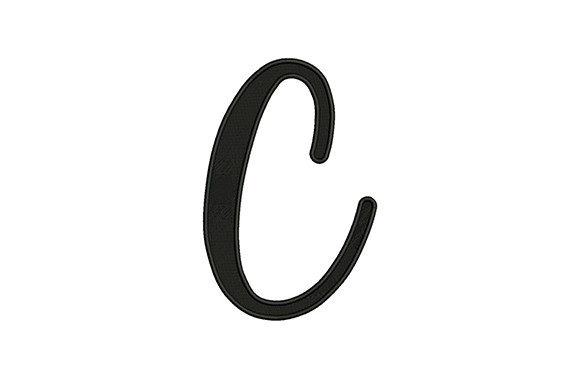
Upon loading the digital embroidery file into my editing software, the first thing that struck me about Alphabet C was its balanced simplicity. In a market flooded with overly complex scripts and bulky block letters, this design offers a refreshing clarity. It feels classic yet modern, possessing a gentle charm that translates well across different demographics. It does not scream "school supply"; instead, it whispers "handmade quality." The lines are clean, suggesting that the stitch density has been optimized to prevent puckering while maintaining enough coverage to look professional.
The emotional appeal of this letter is significant. For a parent ordering a personalized gift, the letter "C" might stand for a child's name, a family surname, or a meaningful word like "Courage" or "Care." The design's aesthetic is neutral enough to fit a nursery, a kitchen, or a bridal suite without clashing with existing decor. This versatility is exactly what an Etsy seller or small shop owner needs to maximize their inventory without purchasing dozens of niche fonts.
Real-World Applications for Makers
To truly test the Alphabet C, I imagined several specific customer scenarios. The first was a request for a baby embroidery project. A mother wanted her newborn's initial stitched onto a muslin swaddle blanket. Because baby skin is sensitive and fabrics are often lightweight or stretchy, the design needed to be soft and flexible. The simplicity of this alphabet suggests it would perform beautifully here, provided the right stabilizer is used. It avoids the heavy saturation that can make a blanket stiff and uncomfortable.
Next, I considered the wedding gift market. Couples often seek subtle personalization for their new home. Stitching Alphabet C onto a set of linen napkins or a decorative pillow cover adds a touch of elegance without overpowering the fabric. For a handmade product line focused on kitchenware, this design would look stunning on an apron or an embroidered towel. The clean lines ensure that even on textured terry cloth, the letter remains legible and crisp.
For those selling small shop products at craft fairs, tote bags are a staple. Using this design for custom embroidery on canvas totes allows for quick production times due to its likely efficient stitch count. It serves as an excellent entry-level product for customers who want something personalized but are hesitant to spend a fortune. Furthermore, for the "Back To School" season, this design is perfect for labeling lunch bags, backpacks, or pencil cases, helping parents keep track of their children's items with style.
Technical Considerations and Fabric Challenges
While Alphabet C appears robust, there are areas where caution is required. As with any embroidery file, the devil is in the details. When working with small lettering, delicate details can get lost if the thread colors do not contrast sufficiently with the base material. I strongly advise testing on scrap fabric first, especially when moving from light to dark materials.
Textured fabric presents another challenge. If you are stitching onto a thick waffle-weave towel or a fuzzy fleece blanket embroidery project, the definition of the letter might soften. In these cases, using a topping stabilizer is essential to keep the stitches sitting on top of the fibers rather than sinking in. Similarly, stretchy baby clothes require careful hooping and a cut-away stabilizer to prevent distortion after repeated washing.
Curved surfaces, such as the cuff of a sleeve or the corner of a pillow, also demand attention. Ensure your hoop size is appropriate for the placement. While the product description notes that the design comes with multiple formats, it does not specify exact dimensions or stitch counts. Therefore, you must verify the maximum stitch area against your hoop capabilities before committing to a customer order. Always check small details after stitching; a missed connection in a curve can ruin the illusion of a continuous line.
Enhancing Perceived Value and Trust
In the world of commercial embroidery, perceived value is everything. A well-executed Alphabet C elevates a plain item into a cherished heirloom. When a customer receives a product with crisp, evenly tensioned stitching, their trust in your brand deepens. This design supports that trust by offering a polished look that screams professionalism.
For product photography, the simplicity of this alphabet is a dream. It photographs cleanly, allowing the texture of the thread and the fabric to shine without visual clutter. Whether you are creating a printable mockup for your online store or snapping photos of a finished product for Instagram, the clear lines of the "C" engage buyers immediately. It signals that the item is a thoughtful, handmade product rather than a mass-produced decal.
Emotional connection drives sales in the personalized gift sector. By using a design that feels both timeless and intentional, you tap into the buyer's desire to give something unique. Whether it is a monogram for a graduate or a initial for a new homeowner, Alphabet C acts as a vessel for that sentiment.
Final Verdict for Designers
After reviewing the potential applications and technical requirements, Alphabet C proves to be a reliable asset for any embroidery business. Its strength lies in its adaptability. It transitions seamlessly from the playful energy of back-to-school gear to the refined atmosphere of wedding decor. However, success depends on the maker's diligence. You must confirm commercial licensing before selling finished goods, as terms vary by designer. Additionally, always review the specific file formats included to ensure compatibility with your machine.
By respecting the limitations of fabric texture and choosing the correct stabilizer, you can unlock the full potential of this design. For the Etsy seller looking to expand their catalog or the hobbyist wanting to create meaningful gifts, this alphabet offers a solid foundation. It is a reminder that sometimes, the simplest designs carry the most weight when executed with care and precision.