Apple with Leaf Applique: A Designer's Review
When I first pulled up the Apple with Leaf Applique on my screen, my immediate reaction was one of quiet satisfaction. In the world of machine embroidery design, it is easy to get lost in overly complex files that promise the world but deliver a tangled mess of thread breaks and puckering. This file, however, strikes a balance that is increasingly rare: it is charming without being childish, and detailed without being impractical. As a designer who spends hours prepping files for client projects, I look for assets that translate well from the digital preview to the physical finished product. This design feels like it belongs in a professional toolkit, specifically for those navigating the Back To School rush or looking to add a touch of whimsy to everyday items.
First Impressions and Visual Personality
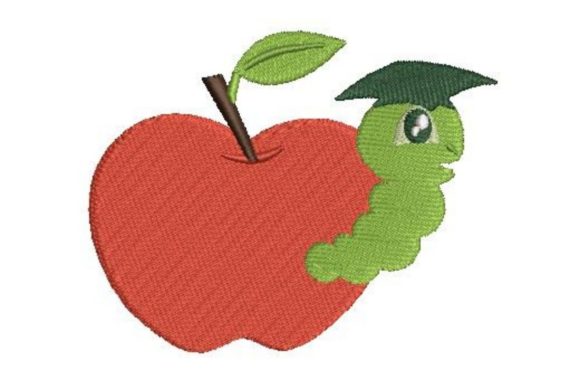
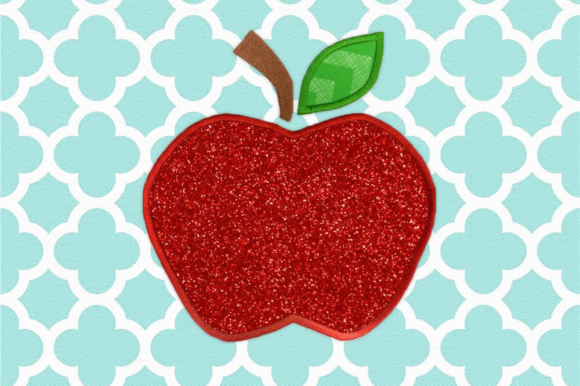
The visual personality of this applique design is undeniably cute and chic, just as the description suggests. The shape is classic—a rounded apple with a distinct leaf that adds a necessary pop of organic movement. What stands out most is the layout. It doesn't feel cramped; there is a thoughtful use of negative space that allows the stitch types to breathe. You can anticipate a clean mix of satin stitch for the outlines and the leaf vein, likely paired with a smooth fill stitch for the body of the apple. This combination is crucial for creating texture contrast, which elevates a simple fruit icon into something that looks high-end rather than generic.
The mood it creates is warm and inviting. It evokes memories of classroom rewards, autumn harvests, and wholesome snacks. For an Etsy seller or a small shop product creator, this emotional resonance is gold. It taps into a universal symbol of education and health, making it instantly recognizable to customers browsing for personalized gifts or custom apparel.
Real-World Application: The Tote Bag Test
To truly evaluate an embroidery file, you have to imagine it on actual fabric. Let's consider a real-life scenario: preparing a custom canvas tote bag design for a teacher appreciation gift or a student's book carrier. Canvas is a sturdy medium, but it can be unforgiving if the stitch density is too high. With the Apple with Leaf Applique, the applique nature of the design is a significant advantage here. By using a fabric patch for the main body of the apple, you reduce the amount of thread buildup on the tote. This prevents the dreaded "cardboard effect" where the fabric becomes stiff and unyielding.
Imagine stitching this onto a navy blue canvas bag using bright red and forest green threads. The contrast would be striking. The satin stitch border would catch the light, giving the bag a boutique feel. For a craft business owner, this translates to higher perceived value. A customer isn't just buying a bag; they are buying a piece of art that looks professionally made. Similarly, this design would shine on a heather grey sweatshirt embroidery project. The softness of the fleece pairs beautifully with the crisp lines of an applique, creating a cozy yet polished look perfect for cooler Back To School days.
Versatility Across Products
The versatility of this design extends beyond bags and sweatshirts. Here is how I see it performing across various mediums:
- Baby Embroidery: On a soft cotton onesie, the reduced bulk of an applique is essential for comfort against sensitive skin. The cute aesthetic fits perfectly in a nursery setting.
- Embroidered Patch: If stitched on twill and cut out, this makes an excellent iron-on patch for denim jackets or backpacks, adding a layer of durability.
- Kitchen Textiles: A tea towel or apron featuring this apple adds a farmhouse charm that appeals to home cooks and hosts.
- Holiday Embroidery: While obviously great for autumn, the red and green color scheme subtly hints at Christmas, extending its shelf life as a design asset throughout the fourth quarter.
Technical Considerations and Fabric Challenges
While the design is robust, a responsible designer must address where caution is needed. Not every fabric is a suitable candidate. If you are working with thin fabric like silk or lightweight rayon, the weight of the applique fabric plus the stitching could cause sagging or distortion. In these cases, a high-quality cut-away stabilizer is non-negotiable. Conversely, on highly stretchy fabric like jersey knit, you must ensure the hoop tension is perfect to avoid skewing the apple's round shape.
Curved surfaces present another challenge. If you attempt this on a structured cap, the curvature of the front panel might distort the leaf's angle. It is advisable to run a test on a scrap piece of similar material wrapped around a curved form before committing to a production run. Furthermore, when working on dark fabric, ensure your underlay stitches are sufficient to prevent the background color from peeking through the red fill, which can muddy the vibrant look of the apple.
Small details also require attention. If the design includes tiny text or intricate vein work in the leaf, verify that your machine can handle the resolution. A lower-end home machine might struggle with very short satin stitches, potentially leading to bird-nesting. Always check the hoop size requirements; while this design looks compact, ensure you have enough room for the frame, especially if placing it near a seam or pocket.
Enhancing Brand Value and Customer Trust
Using a well-crafted design like the Apple with Leaf Applique directly impacts your brand consistency. When customers receive a handmade product that features clean edges, consistent stitch direction, and no loose threads, their trust in your business grows. This design supports that level of professionalism. It looks intentional. Whether you are selling digital embroidery files for others to use or selling the finished product yourself, the quality of the source file dictates the quality of the output.
For those creating printable mockups for their online stores, this design photographs exceptionally well. The texture difference between the applique fabric and the base garment creates depth in photos, making your Etsy listings more engaging. It stops the scroll. In a crowded marketplace, having a design that offers both aesthetic appeal and technical reliability is a competitive edge.
Final Designer Notes and Best Practices
Before launching into a full production run or listing this as a new item in your shop, adhere to these practical steps:
- Test on Scrap: Always stitch a sample on the exact fabric you intend to sell. Thread tension behaves differently on corduroy than it does on polyester.
- Check Color Contrast: Experiment with thread colors. While red and green are classic, a monochromatic look (e.g., navy apple on a grey shirt) can offer a modern twist.
- Review Stitch Density: If the fill seems too dense for your fabric, consider editing the file to reduce pull, provided you have the software skills.
- Verify Licensing: Since this is a commercial context, confirm the license terms. Can you sell the finished physical items? Can you resell the digital file? Never assume; always read the specific terms provided with the download.
- Inspect Small Details: Zoom in on the digital preview. Look for potential jump stitches that might need trimming or areas where the satin column might be too wide for stability.
In conclusion, the Apple with Leaf Applique is a standout choice for anyone in the embroidery industry looking for reliability and charm. It bridges the gap between playful and professional, making it an ideal candidate for Back To School collections, boutique apparel, and heartfelt gifts. By respecting the technical nuances of fabric and stabilization, you can leverage this design to create products that not only look beautiful but also stand the test of time and washing. It is a reminder that sometimes, the simplest designs, when executed with precision, make the biggest impact.