School Apple: A Designer's Review for Craft Fair Success
As an experienced embroidery designer preparing for the upcoming weekend craft fair circuit, my table strategy is everything. I am not just looking for cute designs; I am looking for craft fair products that stop customers in their tracks, photograph beautifully for my online listings, and can be produced in batches without causing machine headaches. Today, I am putting the School Apple under the microscope. This isn't just a digital file; it is a potential revenue stream for my small shop product lineup.
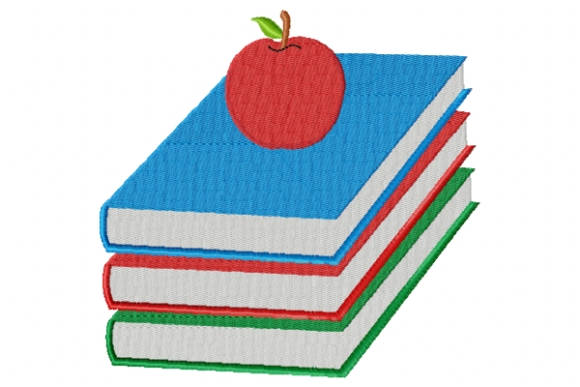
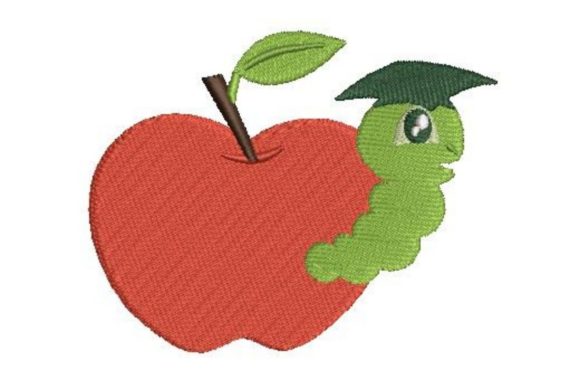
The first impression of the School Apple is undeniably charming. Based on the description highlighting "cute decorations for your kid's school objects," this design leans heavily into the adorable, playful aesthetic that dominates the Back To School season. It feels soft, decorative, and inviting. Unlike some overly complex or aggressive graphics, this applique style suggests a handmade warmth that resonates with parents and teachers alike. In a sea of mass-produced plastic items, this machine embroidery design offers the tactile quality that boutique makers are known for.
Visual Appeal and Product Versatility
When evaluating where School Apple stands out, I immediately visualize my booth display. The versatility of an apple motif is unmatched during late summer and early autumn. Here is how I see this embroidery file performing across various substrates:
- Tote Bags: This is likely the strongest contender. A canvas tote with a centered tote bag design featuring this apple is a classic teacher gift. The applique nature adds texture that makes the bag feel premium rather than generic.
- Aprons: For the "cool mom" or the art teacher, apron embroidery using this motif on the bib or pocket creates a functional yet stylish handmade product.
- Tea Towels: Tea towel embroidery requires careful consideration of fabric texture, but an apple motif fits perfectly in a kitchen setting. It transforms a simple linen towel into a giftable item.
- Caps and Patches: As an embroidered patch, this design could be ironed onto denim jackets or backpacks. On a curved cap surface, the simplicity of the apple shape ensures it remains recognizable.
- Pillow Covers and Pouches: These make excellent impulse buys. A small zippered pouch with this design is perfect for holding pencils or makeup, adding value through branding.
The key to the success of School Apple lies in its clarity. At a glance, a customer walking past my booth needs to understand the image instantly. An apple is universal. It does not require explanation. This immediate recognition is crucial for buyer engagement. Furthermore, because it is described as an applique, it likely utilizes fabric layers which catch the light differently than flat satin stitches, enhancing the visual appeal when viewed in person.
Production Realities and Selling Points
Moving from aesthetics to logistics, I need to consider how this design affects my production workflow. For Etsy sellers and commercial embroiderers, repeatability is king. If a design takes too long to hoop or requires excessive trimming, it eats into profit margins. The School Apple appears to be a focal design rather than a tiny accent, which is beneficial. Larger designs often stitch out faster relative to their visual impact because there is less time spent on intricate micro-details and more on filling space.
Photography is another critical factor. In the world of digital embroidery file sales and finished goods, lighting matters. Applique designs create shadows and depth, making them easier to photograph than flat stitches. When creating a printable mockup for my online store, the texture of the apple fabric against the background material will provide the contrast needed to make the listing pop. This helps establish brand consistency across my social media and website.
However, practical selling points must address potential pitfalls. While the design is adorable, I must evaluate the stitch density. High-density areas can cause puckering, especially on stretchy fabrics like those used for t-shirts or lightweight pouches. Additionally, if the design includes small lettering (which is common in school-themed items), I need to ensure it remains legible when scaled down for smaller items like patches.
Critical Considerations for the Maker
Before committing to a full production run for the fair, there are several "careful-use" notes every professional should heed. These factors determine whether School Apple becomes a bestseller or a bin of rejects.
- Fabric Texture and Contrast: Applique relies on the contrast between the base fabric and the applique fabric. On dark fabrics, ensure the apple fabric is light enough to stand out, or use a backing that prevents the dark cloth from showing through the stitches. Textured towels can sometimes swallow small details, so test on the actual blank you intend to sell.
- Curved Surfaces: If applying this to caps, remember that the curvature distorts the design slightly. The apple shape is forgiving, but precise hooping is essential to prevent the design from looking skewed.
- Thread Colors: The choice of thread colors can make or break the look. A traditional red is safe, but offering variations like gold for fall or green for a "Granny Smith" look could expand your market. Ensure the thread sheen complements the fabric choice.
- Scaling Issues: Designs that look great at 5 inches might lose clarity at 2 inches. If you plan to use this as a small accent on a cuff or collar, verify that the applique edges and any internal details do not become muddy.
Designer Notes for Best Results
To maximize the potential of School Apple as a commercial embroidery asset, I recommend a strict testing protocol. First, always test the design on scrap fabric that matches your final product. Do not assume a standard cotton test piece represents a thick canvas tote or a waffle-weave tea towel.
Check your hoop size requirements carefully. The product description mentions multiple formats, but it does not specify exact dimensions. You must verify that the design fits within your available hoops without requiring re-hooping, which introduces alignment errors. Similarly, review the spacing of the applique pieces. Tight spacing can lead to needle breaks or bird-nesting if the machine struggles to navigate between dense areas.
Stabilizer selection is non-negotiable. For applique, a cut-away stabilizer is often preferred for durability, especially on items like tote bags that will undergo stress. However, for a tea towel, a tear-away might be sufficient to maintain softness. Create at least one real mockup before listing the item. Photos of the actual stitched item always convert better than digital renderings.
Finally, a crucial note on licensing: The description states the file comes in multiple formats and is suitable for decorations, but it cuts off before detailing specific license terms. Always confirm commercial licensing before selling finished products made with this design. Some designers allow unlimited sales of finished goods, while others have caps or require attribution. Protect your business by reading the fine print included with the design assets.
In conclusion, School Apple has all the hallmarks of a successful craft fair product. It taps into a seasonal niche, offers high visual texture through applique, and adapts well to a variety of popular handmade items. With proper testing regarding fabric texture, stabilizer choice, and scaling, this design can be a cornerstone of your Back To School collection, driving both booth traffic and online sales for your embroidery business.